Skip to content
Cleaner Water · Brighter Tomorrow

High-Rate Treatment
in a Fraction of the Footprint

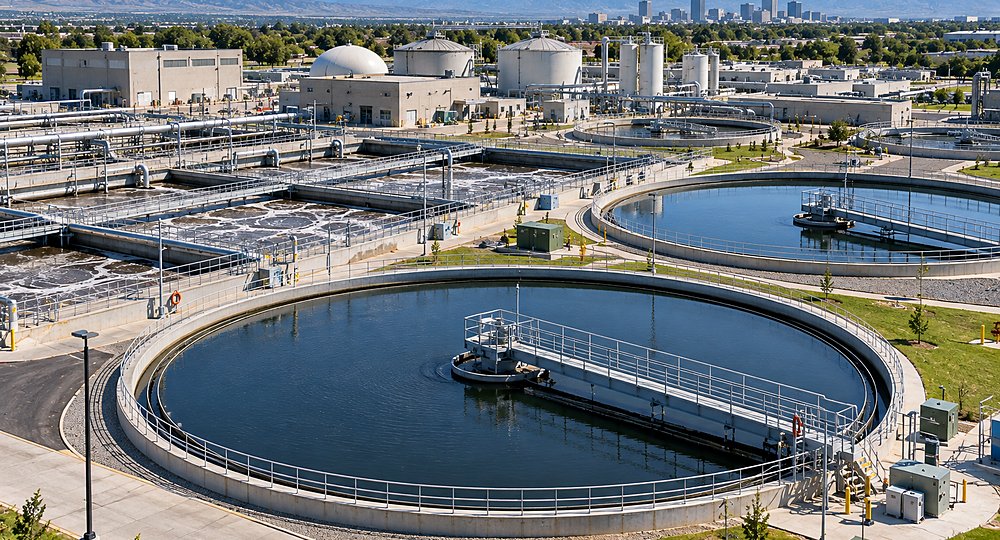
Compact, intensified solid–liquid separation for municipal and industrial water. Clarification rates up to a hundred times conventional, in a tenth of the space — engineered around your water, your consent and your site.

◇

Compact by design

One fifth to one twentieth of a conventional clarifier footprint

⚙

Proven process types

Established, well-characterised separation platforms

◎

Engineered per site

Sized from your water analysis, not from a catalogue

↗

Built to be operated

Fast start-up, stable through load swings, low attention

Three ways to make floc settle faster

Every one of these platforms attacks the same bottleneck — the settling velocity of a chemical floc — and each reaches it differently. Which one belongs on your site depends on your effluent limit, your sludge and your available tankage.

Compare all three →
High-rate clarification
KWS-HRC

High-Rate Clarification

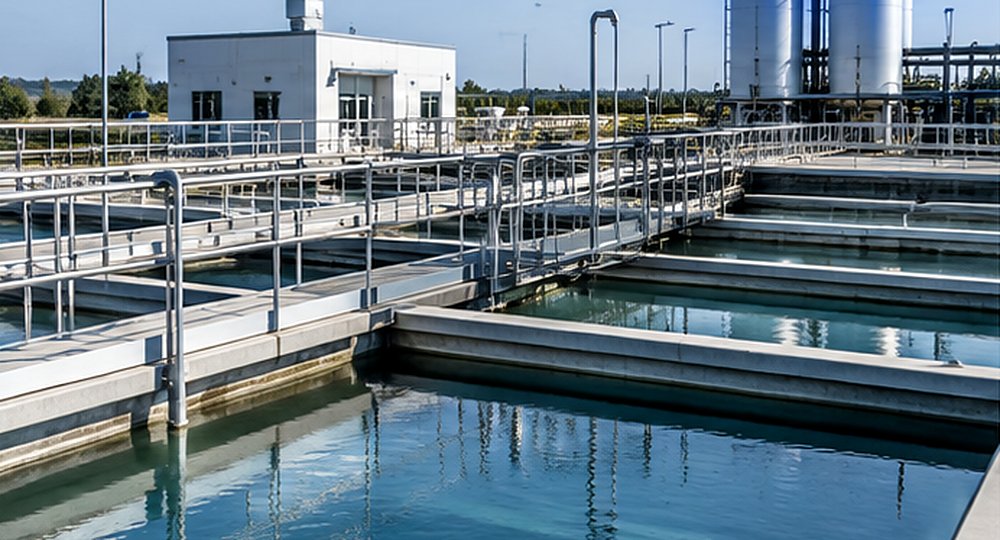
Density built from recirculated thickened sludge, with lamella settling and sludge thickening in one structure. No ballast to buy or recover, and sludge at 2–4 % dry solids straight to dewatering.

Learn more →
Ballasted flocculation
KWS-BF

Ballasted Flocculation

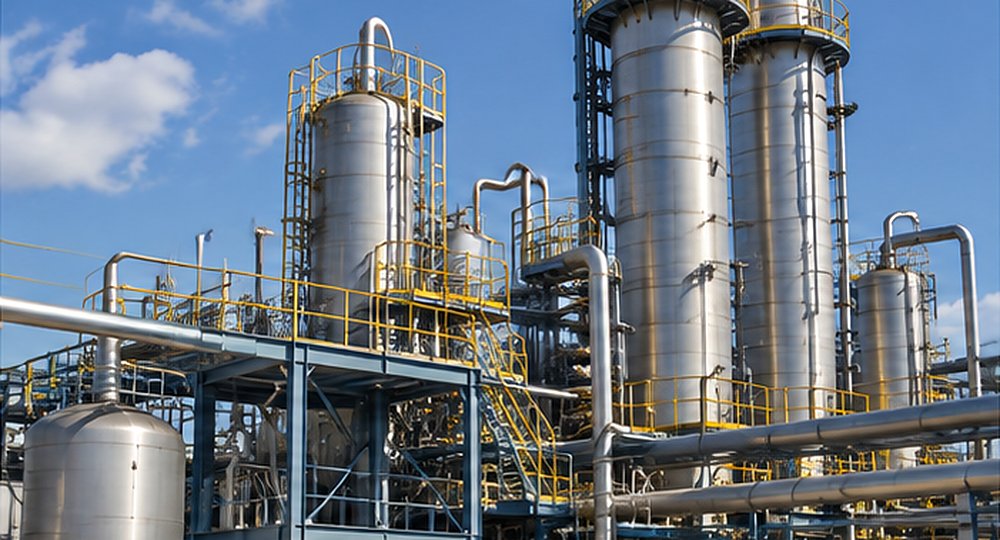
Microsand gives every floc a heavy core, so it settles 30 to 60 times faster. Ten to fifteen minutes end to end, full quality within minutes of start-up, and more than 99 % of the sand recovered.

Learn more →
Magnetic separation
KWS-MAG

Magnetic Separation

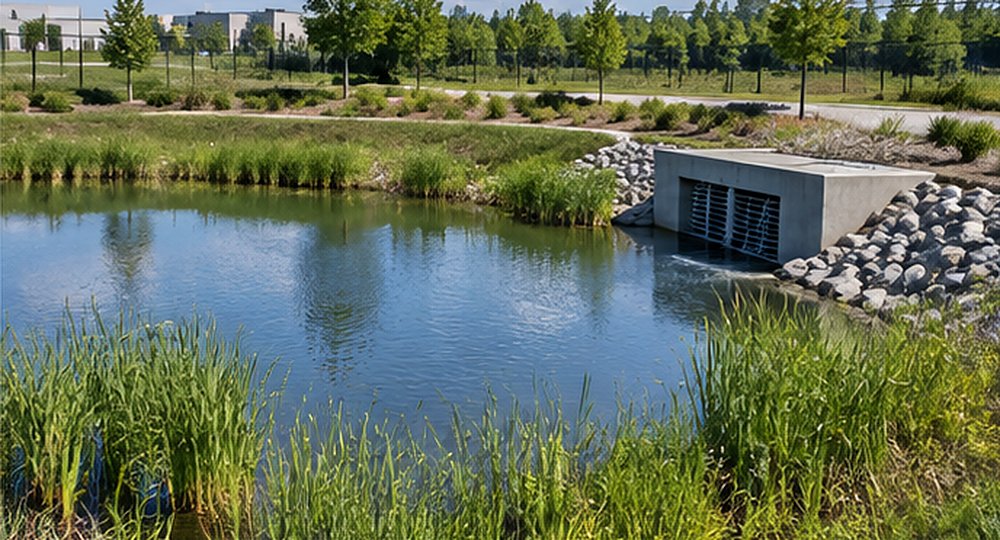
Magnetite ballast at twice the density of sand, reclaimed by permanent magnets. Total phosphorus below 0.05 mg/L and turbidity below 1 NTU — often inside a clarifier you already own.

Learn more →
10–15minutes from raw water to clarified, ballasted duty
up to 200m/h lamella rise rate at peak industrial duty
> 99 %of ballast media recovered and reused
< 0.05mg/L total phosphorus achievable, no filters

Typical engineering ranges for the process types described. Guaranteed performance is established case by case from raw water characterisation and testing.

How a project runs

Six stages, and we would rather stop at stage two than sell you the wrong platform.

01

Define the duty

Design and peak flow, raw water analysis, effluent consent, site constraints and the operating pattern the plant actually has to follow.

02

Screen the platforms

An honest comparison of the three, including the reasons to reject two of them, with indicative footprint and chemical demand for the one that fits.

03

Test the water

Jar testing, and a pilot trial where the water is unusual or the guarantee is tight. Coagulant type and dose, polymer selection and achievable rate come out of this, not out of a table.

04

Process and hydraulic design

Reactor volumes, plate area, recirculation rates, ballast inventory, dosing, and the hydraulic profile through the whole train.

05

Supply and install

Equipment, internals, dosing and controls — supplied loose for a civil contractor, or pre-assembled on a skid or in a container for smaller duties.

06

Commission and hand over

Start-up, performance demonstration against the agreed basis, operator training and a documented spares schedule that identifies the wear parts up front.

Our Commitment

Clean Water
Lasting Value

We would rather be told that a process does not suit a site than find out during commissioning. That is why our first deliverable on any project is an argument, not a quotation — which platform, at what rate, on what evidence, and what it will not do.

About Kruger Water Solutions →
●
Evidence FirstTest the water before fixing the design
◒
Right-SizedEngineered to the duty, not to a catalogue
∞
Whole-LifeSludge, chemicals and wear parts costed openly

Discuss your treatment objective

Send us the application, design flow and target effluent quality. We will come back with a suitable process configuration and an indicative footprint.