Skip to content
Kruger Water Solutions

Technologies

Three platforms for intensified solid–liquid separation. They solve the same problem — making floc settle faster in less space — by three different routes, and the right one depends on your effluent limit, your sludge, and how much tankage you already have.

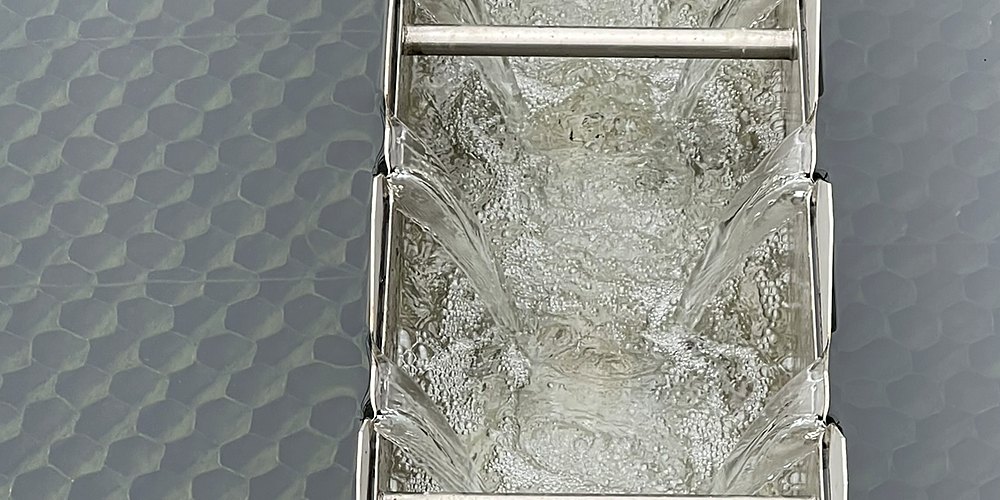
High-rate clarification
KWS-HRC

High-Rate Clarification

Floc density built from recirculated thickened sludge. Lamella settling and integrated thickening in one structure — no ballast medium to buy, store or recover, and sludge concentrated enough to feed a dewatering unit directly.

Process, parameters and diagram →
Ballasted flocculation
KWS-BF

Ballasted Flocculation

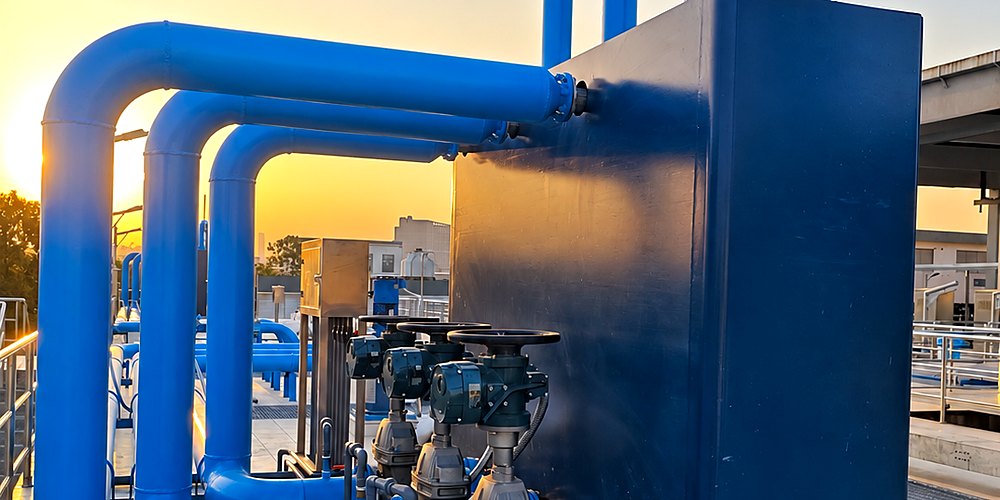
Microsand injected into flocculation gives every floc a heavy core. Settling 30 to 60 times faster, ten to fifteen minutes total residence time, and full effluent quality within minutes of start-up.

Process, parameters and diagram →
Magnetic separation
KWS-MAG

Magnetic Separation

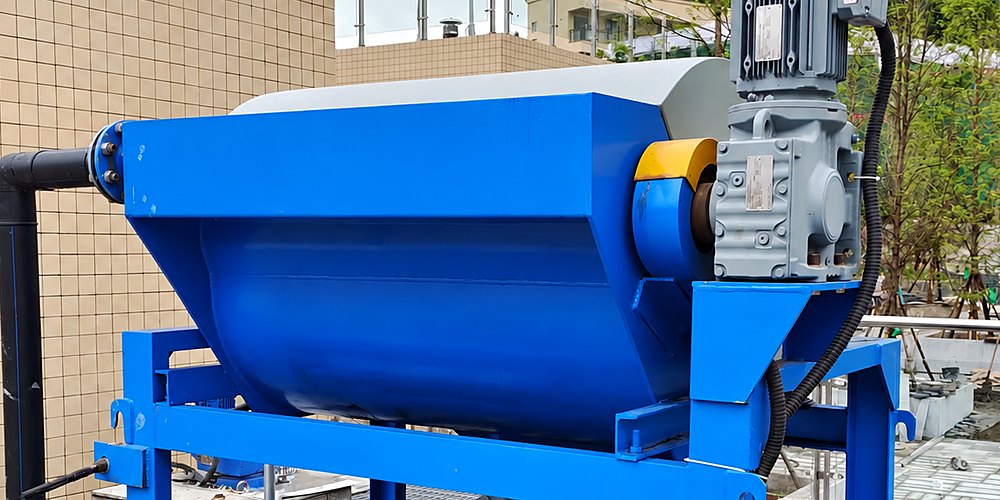
Magnetite ballast at twice the density of sand, recovered by permanent magnets rather than by a cyclone. The strongest option for ultra-low phosphorus and for uprating clarifiers you already own.

Process, parameters and diagram →

Side by side

Typical engineering ranges for each process type. Read them as orientation for platform selection, not as guaranteed performance — guarantees are set from your water and your design basis.

Design attribute High-Rate ClarificationKWS-HRC Ballasted FlocculationKWS-BF Magnetic SeparationKWS-MAG
Source of floc densityRecirculated thickened sludgeSilica microsandMagnetite
Ballast specific gravity— (no ballast)2.655.0–5.2
Ballast particle size100–150 µm20–40 µm
Ballast recovery methodNot applicableHydrocyclone, > 99 %Permanent-magnet drum, > 99 %
Typical rise / overflow rate15–60 m/h (to 100 m/h peak)40–120 m/h (to 200 m/h peak)25–50 m/h
Total hydraulic residence time20–35 min10–15 min12–20 min
Start-up to full quality20–40 min5–15 min< 15 min
Footprint vs conventional clarifier1/8 to 1/101/5 to 1/201/5 to 1/10
Sludge concentration2–4 % DS — direct to dewatering0.3–1.5 % DS (to ~2 % thickened)0.5–2 % DS
Separate thickener requiredNoUsually yesOften yes
Typical effluent TSS< 10 mg/L< 5–10 mg/L< 2 mg/L
Typical effluent total phosphorus< 0.5 mg/L (0.1 with two-stage dosing)< 0.1–0.3 mg/L< 0.05 mg/L
Abrasive duty on equipmentNoneSignificant — designed forLow
Suits intermittent operationModerateExcellentExcellent
Retrofit into existing tankageGood, needs depthGoodExcellent — clarifier can be conventional
Best suited toSludge-driven economics; softening; combined clarification and thickeningHighest hydraulic rate; storm and peak duty; large drinking water plantsUltra-low phosphorus; tertiary polishing without filters; clarifier uprating

Comparative values describe the process types generically. Performance on a given water is confirmed by jar testing or pilot trial before any guarantee is offered.

How to choose

Four questions usually decide it before any modelling is needed.

QUESTION 1

How tight is the effluent limit?

Total phosphorus below 0.1 mg/L, or suspended solids below 5 mg/L without a downstream filter, points firmly to magnetite ballasting. Ordinary primary or tertiary consents are comfortably met by any of the three.

QUESTION 2

What dominates the operating cost?

If sludge transport, thickening and dewatering dominate, high-rate clarification wins on sludge concentration alone. If land, civil works or peak hydraulic capacity dominate, a ballasted process usually wins.

QUESTION 3

Is the plant running continuously?

Storm, combined sewer overflow and seasonal duty favour a ballasted process, which reaches full quality in minutes and can be left idle between events. Continuous base-load duty removes that advantage.

QUESTION 4

Is there tankage to reuse?

An existing clarifier that has to carry several times its design flow is the classic case for magnetite ballasting, since the clarifier itself needs no modification. Empty rectangular tanks of sufficient depth suit either lamella platform.

AND THEN

Test the water

Selection narrows the field; jar testing settles it. Coagulant type and dose, polymer selection, achievable rise rate and sludge behaviour all depend on the specific water and are inexpensive to establish before a design is fixed.

OR ASK US

Send the data

Design and peak flow, a raw water analysis, the effluent consent and any site constraint are usually enough for us to recommend a platform and an indicative footprint at no cost.

Not sure which platform fits?

Send us the duty and the constraints. We will tell you which of the three we would propose, and why we would rule out the other two.